
Incorporate the 5 key elements of team building

By Jessica Martin
Marketing
Enews
Read Time: 4 minutes
Posted: September 22, 2026
Team building can play an important role in shaping how employees connect, communicate and perform. But it takes more than a one-time exercise or event. Building trust, strengthening relationships and creating a more cohesive team dynamic should be an ongoing effort. The impact goes beyond a positive culture. Teams that regularly participate in team-building activities see a 14% increase in productivity and 23% boost in profitability.
The framework for effective team building is often explained through the five Cs: communication, collaboration, commitment, common goals and conflict resolution. Together, these elements define how teams share ideas, align priorities, maintain accountability and navigate challenges. Explore the meaning of each element and learn how to reinforce it with a fun team-building activity.
Communication
Strong communication keeps teams aligned and moving forward. It goes beyond sharing updates. It should include active listening, thoughtful feedback and clear, purposeful messaging. Effective communication allows teams to make decisions quicker, avoid rework and build trust. It’s more than what is said—tone and body language play a big role in how a message comes through.
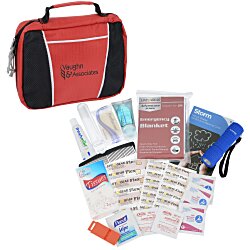
Host a desert island survival challenge. Give team members a list of essential items and have them rank the items by importance. Then, as a large group, create a shared ranking through discussion. Encourage participants to explain their reasoning, actively listen and challenge ideas respectfully before finalizing the group list. Give branded survival kits to celebrate the activity’s completion.
Collaboration
Collaboration is the key ingredient that turns individual effort into collective success. It requires trust, flexibility and the willingness to build on others’ ideas. Strong teams don’t just divide and conquer—they actively work together to share responsibility, solve problems and provide support. Teamwork drives better results and makes for a more enjoyable workplace. In fact, 70% of employees report higher job satisfaction in collaborative settings.
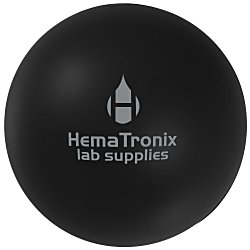
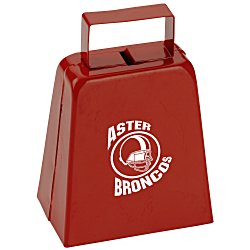
Create a chain reaction challenge. Break into teams and give each group a mix of materials like tape, cardboard, string and cups. Each participant creates one step in a larger chain reaction, and all parts must connect to complete a final action, such as launching a stress ball or ringing a cowbell. Teams must plan, test and refine their sections together to keep everything moving smoothly from start to finish.
Commitment
Commitment reflects each employee’s investment in the team’s success. It is demonstrated through reliability, effort and accountability, as well as a willingness to go beyond individual responsibilities for the good of the group. When commitment is strong, people take ownership of their work, follow through on expectations and actively support one another. Teams stay focused, meet deadlines more consistently and remain resilient in the face of challenges. Over time, that shared dedication builds trust, strengthens performance and creates a culture where everyone is motivated to contribute to collective success.
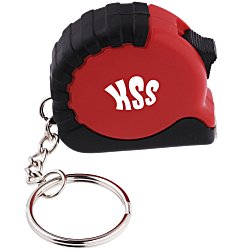
Host a competitive small group challenge. Assign teams and explain a clear goal, such as building the tallest freestanding tower or designing the most protective container for an egg drop. Set a firm deadline and outline basic requirements. Halfway through, introduce a curveball. Remove a key material, change the goal or add a new constraint, forcing teams to regroup, adapt and push to finish strong. Reward winners with promo products that connect to the theme, like tape measures for the tallest tower or plush blankets for the softest egg landing.

Common goals
Common goals give teams a clear sense of direction and purpose. This shared roadmap ensures everyone is working toward the same outcome, rather than having competing priorities or doing disconnected tasks. Clearly defined goals allow employees to see how their individual contributions fit into the big picture. That alignment helps people stay focused, make better decisions and use their time more effectively.
Launch a small-group puzzle challenge with a built-in twist. Give each team a puzzle—but mix pieces across groups without telling them upfront. Offer an early hint that something’s different. Teams will start working solo, then quickly realize success depends on collaborating. Prompt them to communicate, share pieces and coordinate efforts to complete every puzzle together.

Conflict resolution
Conflict is a natural part of teamwork, and how teams handle it matters. Effective conflict resolution encourages open dialogue, mutual respect and solution-focused thinking. When teams address issues early and constructively, they build trust and make better decisions. Avoiding conflict, on the other hand, often leads to larger issues over time.
Host a realistic budgeting scenario. Divide participants into teams and provide a limited budget to allocate across several competing priorities, such as marketing, recruitment, equipment upgrades or training. Make each participant an advocate for a specific priority. Provide branded hats for each role. Marketing might get bucket hats, while HR gets dad caps. At the end, each team presents their finished budget and explains their reasoning.


Five Cs for one strong team
When teams communicate, collaborate and stay aligned through whatever challenges they face, results often follow. Incorporate the five Cs to create a workplace built on trust, clarity and shared success.

Jessica Martin
Jessica Martin is 4imprint’s merchandising planning manager with over 20 years of retail experience, 15 years of merchandising expertise and more than a decade in the promotional products industry. She ensures the right products get into customers’ hands through deep customer insight, trend awareness and seasonal analysis. Jessica is a key connection point between vendor relations, purchasing, and 4imprint’s end users, supporting programs across the Blue Box® sample program, digital marketing, print and TV campaigns.
All marks are the property of 4imprint or their respective owners.
“5c Key Elements for Team Building.” Outlife, n.d., outlife.in/5c-key-elements-team-building.html.
Shende, Swapnali. “Workplace Collaboration Statistics and Facts (2026).” Market.biz, 27 Feb. 2026, market.biz/workplace-collaboration-statistics.
“Team Building Statistics for HR & Leaders in the US (2025).” High 5 Test, 23 July 2025, high5test.com/team-building-statistics.
“The 5 C’s of Team Building.” Team Worx, 18 June 2025, teamworxteambuilding.com/the-5-cs-of-team-building.